
Why Camden & Lugoff Homes Suffer Standing Water After Heavy Rain
For residents living across Camden and Lugoff, proximity to the Wateree River basin and surrounding Kershaw County waterways is a core part of the area’s geography. However, living near low-lying river plains presents a significant hydrological challenge: a shallow, highly active water table that rises rapidly after seasonal Midlands rainstorms.
If you open your crawl space hatch after a heavy downpour and find standing puddles or saturated mud pooling on your dirt floor, hydrostatic pressure is actively forcing groundwater beneath your foundation footings.
Ignoring standing water beneath your living area rapidly leads to saturated subfloor framing, wood rot, fallen insulation, and airborne mold spores entering your indoor living space. Here is why Kershaw County properties face these severe water risks, and how engineered drainage systems resolve them permanently.
The River Basin Factor: High Water Tables in Kershaw County
Neighborhoods in Camden and Lugoff sit over soils deeply influenced by the Wateree River basin. When heavy storm systems move through the area, local groundwater levels surge.
Because Kershaw County topsoils feature dense clay layers, surface water cannot filter straight down into deep aquifers. Instead, water remains trapped near the surface. Hydrostatic pressure builds against exterior masonry foundation walls, forcing water underneath footings and directly up through crawl space dirt.
Once water pools in low spots under your house, it cannot drain away naturally. It sits in place for weeks, evaporating straight up into your wooden floor joists.
How Standing Water Destroys Framing & Indoor Air Quality
Leaving standing water untreated beneath your home creates a domino effect of structural and environmental damage:
- Rapid Mold & Fungal Blooms: Black mold and wood-destroying fungi begin colonizing wooden floor joists and subfloor sheathing within 24 to 48 hours of exposure.
- Insulation Failure: Traditional fiberglass insulation batts absorb rising humidity, become waterlogged, sag off the joists, and trap destructive moisture against the framing.
- The Stack Effect: Through natural upward airflow in your home, up to 50% of the air on your first floor comes directly out of your crawl space. Damp air, soil gases, and mold spores are continuously drawn straight into your living areas.
The Engineered Defense: Interior French Drains & Sump Systems
Pumping out standing water with a temporary pump is only a band-aid; the next downpour will bring groundwater right back. Fixing the problem permanently requires intercepting water before it reaches your framing.
At DrySpace Crawl Space Solutions, our water management protocol for Camden and Lugoff properties includes:
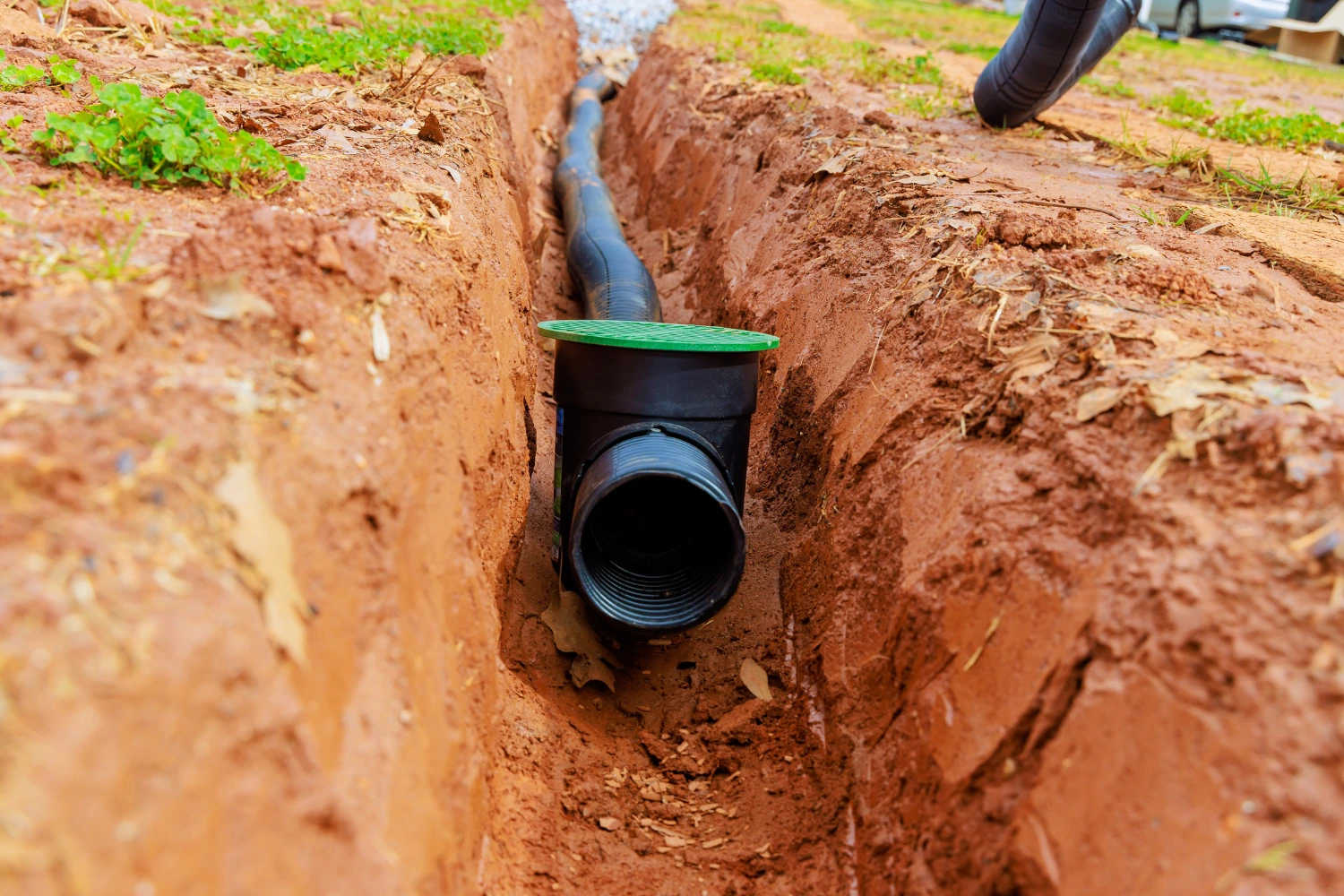
- Perimeter Interior French Drains: We excavate a custom trench along the inside perimeter of foundation walls, laying perforated drainage pipe embedded in aggregate stone to collect rising water automatically.
- Cast-Iron Sump Pump Installation: Collected groundwater is routed into a heavy-duty sump pump basin equipped with a high-capacity pump to discharge water safely away from your home’s footprint.
- Vapor Barrier Encapsulation & Dehumidification: Once water is actively managed, sealing the ground floor with a heavy-duty poly-liner and deploying a commercial dehumidifier keeps your subfloor dry and structurally sound year-round.
Protect Your Camden or Lugoff Home from River Basin Groundwater
Don’t let standing water under your house ruin your foundation framing or indoor air quality. Schedule an honest, data-driven inspection with our local drainage experts today.