
Why Sprawling Custom Estates in Wildewood Experience Extreme Crawl Space Humidity
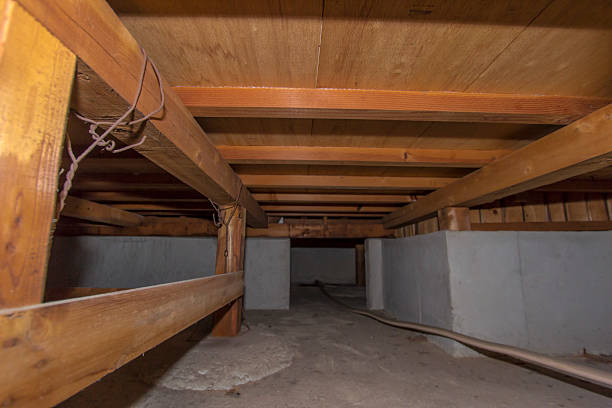
The executive homes throughout Wildewood are admired for their architectural scale, expansive custom floor plans, and mature surrounding landscapes. However, from a building science perspective, covering 3,000 to over 6,000 square feet of ground surface creates a unique structural vulnerability: a massive subfloor moisture trap.
If you live in Wildewood and have noticed squeaking hardwood floors, persistent summer humidity indoors, or a faint musty odor near baseboards, the root cause is hovering directly beneath your feet.
Here is why large-footprint luxury homes face accelerated under-home dampness, and how proper foundation isolation protects both your structural framing and property value.
The Square-Footage Dilemma: How Large Footprints Multiply Moisture
In standard residential construction, raw earth constantly evaporates water vapor into the air above it. A typical 1,500-square-foot crawl space can evaporate up to 19 gallons of water into the air every single day. In a large estate home spanning 4,000 square feet or more, that daily ground evaporation multiplies significantly.
When heavy seasonal rain downpours soak the soil in Northeast Columbia, millions of gallons of water saturate the surrounding ground. Open foundation vents draw in hot, humid South Carolina air, which hits the cooler framing underneath your living areas. The invisible water vapor condenses into physical liquid, soaking into floor joists, subfloor sheathing, and wooden beams like a dry sponge.
The Stack Effect: How Subfloor Dampness Infiltrates Luxury Interiors
A common assumption among homeowners is that crawl space moisture remains trapped under the house. However, buildings operate as thermal chimneys through a natural building airflow process known as the Stack Effect.
As warm air rises and exits through your upper-level ceiling vents and roof structure, it creates a negative pressure draw on the lower levels of the building. To balance this air pressure, your home actively draws up to 50% of its main-floor air directly from the crawl space.
When your foundation footprint covers a massive area of unsealed, damp dirt, your HVAC system continuously pulls humid air, soil vapors, and fungal spores upward into your primary suite, kitchen, and formal living spaces.
Protecting Custom Woodwork & Structural Integrity
Excessive under-home relative humidity leads to visible indoor structural issues:
- Hardwood Floor Cupping: Custom wood flooring absorbs rising vapor from below, causing plank edges to expand and push upward higher than the center.
- Failing Fiberglass Insulation: Saturated humidity causes builder-grade fiberglass batts to become waterlogged, sag away from floor joists, and trap destructive moisture against the framing.
- HVAC System Strain: Cooling high-humidity air forces your primary and secondary air conditioning units to work double-time, increasing energy bills and shortening equipment lifespan.
High-Capacity Foundation Isolation
Resolving under-home moisture issues in large-footprint properties requires more than standard plastic sheeting. True protection involves complete environmental isolation:
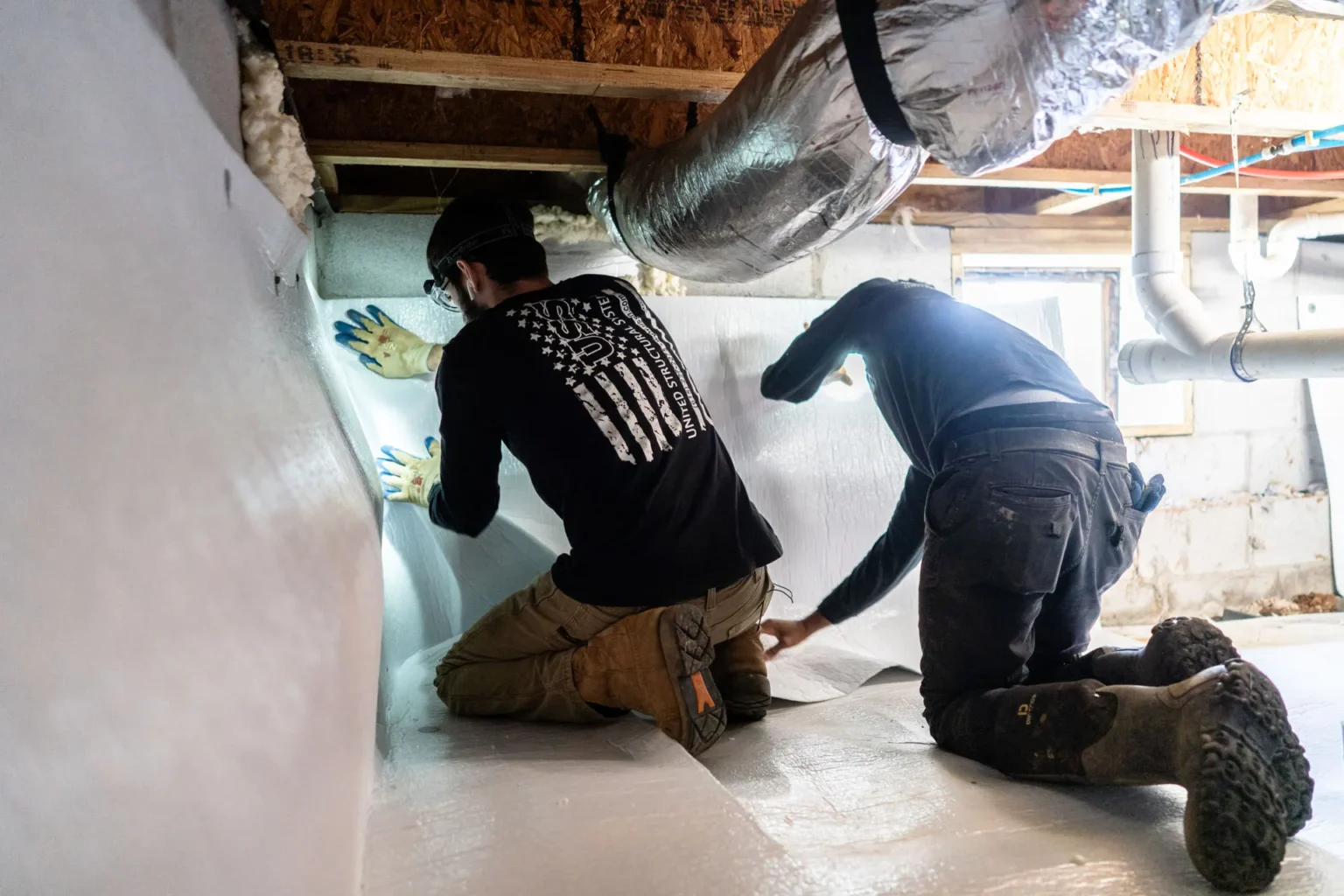
- Full Soil & Wall Encapsulation: Sealing expansive ground floors and masonry walls with multi-layered, commercial-grade poly-liners to block raw earth evaporation permanently.
- Vent Sealing: Closing outdated foundation vents to prevent wet outdoor air from entering the foundation envelope.
- High-Capacity Dehumidification: Installing commercial-grade climate control systems calibrated explicitly for large square-footage crawl spaces to keep structural wood moisture safely below 15%.
Find Out What Is Happening Beneath Your Foundation
Don’t let unmanaged crawl space humidity compromise your luxury custom finishes or indoor air quality. Schedule a completely transparent, data-driven inspection with our local foundation specialists today.